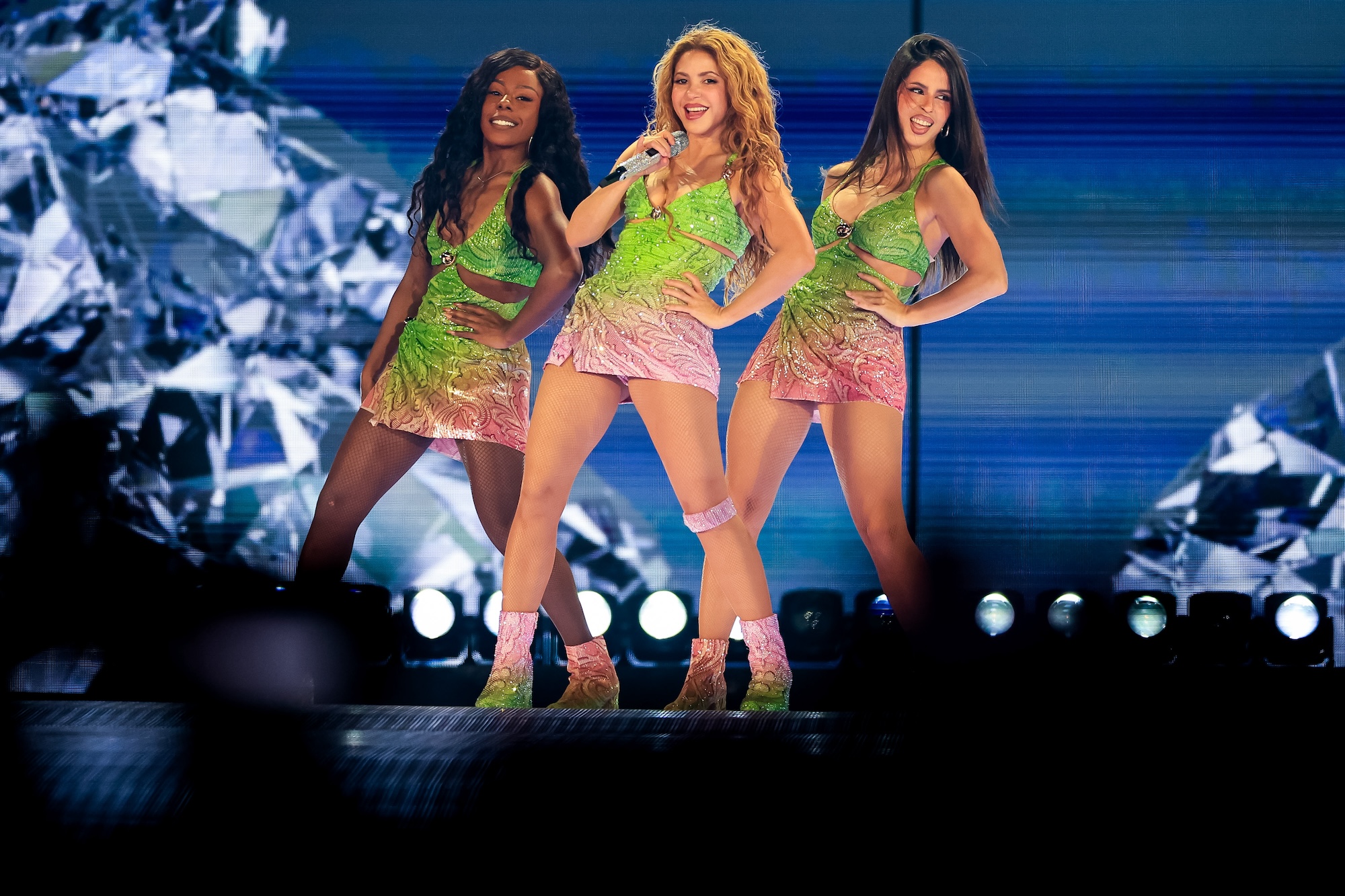
Two Million. One Beach. Zero Tickets.
On May 2, 2026, Shakira performed a free concert on Copacabana Beach in Rio de Janeiro that drew 2 million people. Let that number sink in. That's roughly the population of Paris, standing on sand, screaming every word back at one woman from Barranquilla, Colombia.
This wasn't just a concert — it was a cultural moment. The kind that gets written into history books.
The Setlist That Spanned Eras
Shakira didn't phone it in. Her set was a masterclass in reading a crowd:
- "Hips Don't Lie" — opened with the nuke, because when you have Copacabana in front of you, you detonate
- "La Tortura" — the reggaetón classic that had two million people swaying
- "La Bicicleta" — her Carlos Vives collab, performed on Brazilian sand
- BZRP Sessions #53 and #66 — the diss tracks that broke the internet, now screamed by two million voices
Drones painted "I love you Brazil" across the Rio sky. In a city that has seen Madonna (2024) and Lady Gaga (2025), this one hit different.
Why It's Different This Time
Shakira isn't a pop tourist dropping into Rio for content. She first came to Brazil at 18 — broke, unknown, playing clubs. As she told the crowd: "I arrived here when I was 18, dreaming about singing for you. And now look at this. Life is magical."
"Us women, every time we fall we get up a little wiser." — Shakira at Copacabana
What This Means for DJs
The "Las Mujeres Ya No Lloran" tour is proving that Latin music's live ceiling hasn't been reached. The BZRP sessions have become instant club weapons worldwide — hearing two million people sing them in unison confirms what DJs already know. Shakira's post-breakup era produced some of the most potent dancefloor tracks of the decade. The free-concert model also signals where live Latin music is heading: massive, open-air, accessible. DJs who program Shakira edits, BZRP remixes, and Latin pop mashups are already ahead of this curve.